Key Takeaways
- Employers are reporting a sharp rise in grievances and tribunal claims drafted with AI tools, which are often longer and more legalistic than before.
- Official figures show employment tribunals received 50,000 single claims in 2025/26, up 39% on the previous year, while the number of open single claims rose by 55%.
- A grievance is no less valid because AI helped write it, and it still needs to be handled fairly in line with the Acas Code of Practice.
- Unfair dismissal protection is due to apply after six months’ employment from 1 January 2027, which is likely to push claims up further.
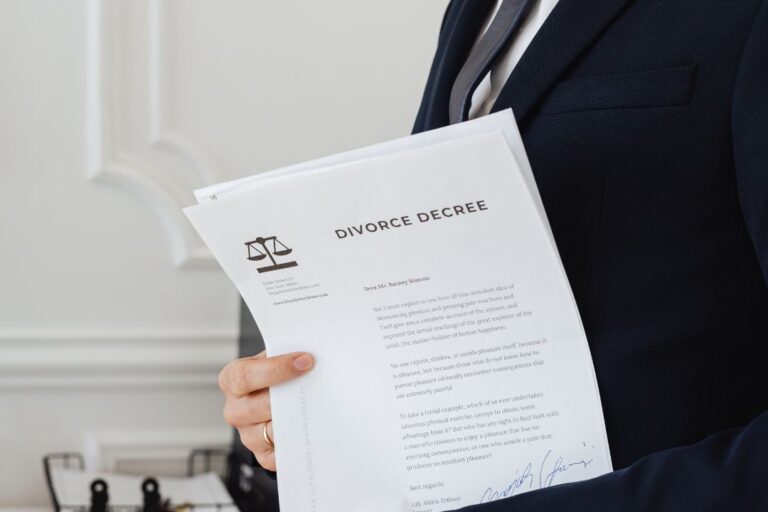
The grievance runs to 40 pages. It quotes employment legislation, cites cases you’ve never heard of and ends with a warning about an employment tribunal. The employee who wrote it used to raise problems in a two-line email.
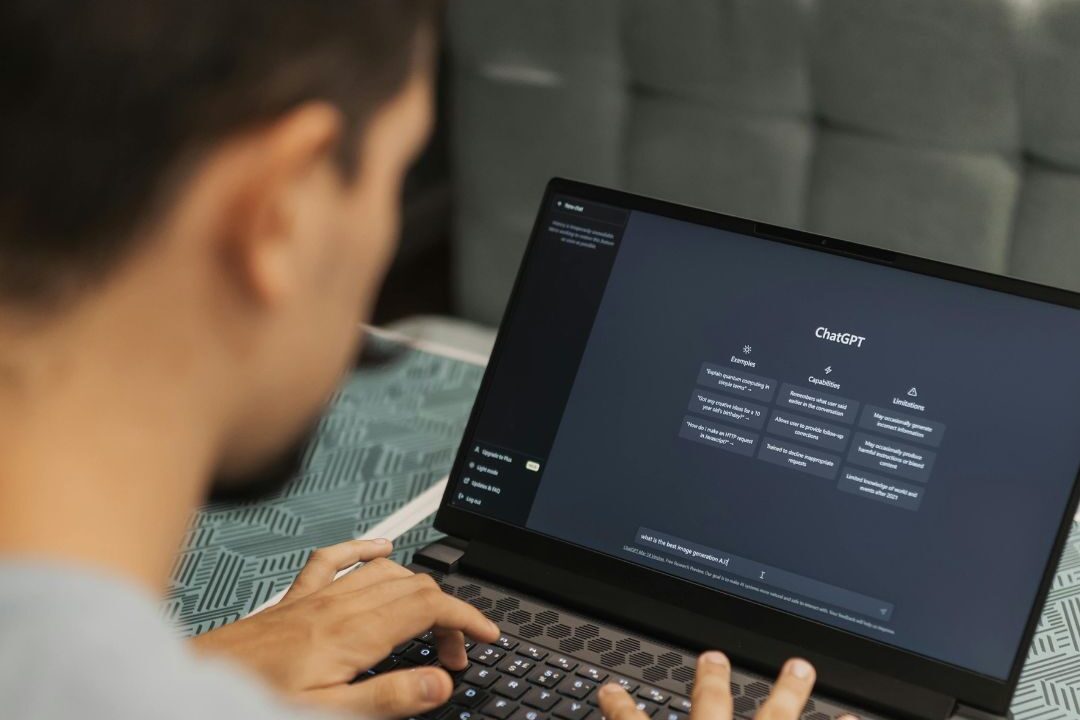
Lots of HR teams and managers are now facing exactly this. Generative AI tools have made it easy for anyone to produce a document that looks like it was drafted by a lawyer. The temptation is to dismiss it as AI-generated noise. That would be a mistake, and potentially an expensive one.
This guide looks at why AI-written grievances and tribunal threats are rising, what they typically look like and how employers should respond. If you’re dealing with one now, Osbourne Pinner offers a free 30-minute consultation with our employment law solicitors.
What’s behind the rise?
The numbers are rising fast. According to the Ministry of Justice’s Tribunal Statistics Quarterly, employment tribunals received 50,000 single claims in 2025/26, a 39% increase on the year before. Disposals fell by 12% over the same period, and by the end of March 2026 there were 64,000 single claims open, up 55%.
Official statistics don’t record how a claim was written though, so nobody can say exactly how much of this increase is down to AI. But employment lawyers and HR advisers widely report that AI-assisted grievances and claims have become common. In a survey of more than 900 HR professionals and business leaders published in July 2026 by employment advisory firm WorkNest, 70% said they had seen an increase in suspected AI-assisted grievances. But at the same time, only 12% were confident their managers could handle difficult grievance cases.
The reason is simple. AI tools are free, instant and confident. An employee who once felt unable to put a complaint into legal language can now produce one in minutes.
What do AI-written grievances look like?
There’s no single format, but certain features come up again and again:
- Great length, often with many separate allegations rolled into one document.
- Heavy use of legal terms such as detriment, victimisation, reasonable adjustments and constructive dismissal.
- References to legislation and case law, some accurate, some misapplied and some that don’t exist.
- A formal warning of tribunal proceedings, sometimes alongside a data subject access request.
- Rapid follow-ups demanding responses by a set deadline.
Underneath the volume, there’s usually a real concern. Often it’s a single issue, such as a disagreement with a manager or a change to working arrangements, that has been expanded into something much larger.
Is an AI-written grievance still valid?
Yes. How a grievance was drafted doesn’t change your duty to deal with it properly. The Acas Code of Practice on disciplinary and grievance procedures still applies. If a tribunal finds that an employer unreasonably failed to follow the Code, it can increase any compensation it awards by up to 25%.
There’s also a victimisation risk. If a grievance complains of discrimination, treating the employee badly because they raised it can itself give rise to a claim, even if the original complaint is weak. Dismissing a grievance as “just ChatGPT”, or criticising the employee for using AI, can easily look like exactly that.
How should employers respond?
The aim is to deal fairly with the substance without getting buried in the volume. In practice, that usually means:
- Acknowledging the grievance promptly and logging it under your normal procedure.
- Meeting the employee early to identify the core issues in their own words, and agreeing a written list of the points to be investigated.
- Investigating those points proportionately, rather than responding line by line to every paragraph.
- Checking any legal references before relying on them or rebutting them.
- Giving a clear written outcome with reasons and offering a right of appeal.
Keep the tone neutral throughout. If you suspect the employee has put confidential business information or colleagues’ personal data into an AI tool, take advice before raising it, so it doesn’t look like a response to the grievance itself.
What should you do about a tribunal threat?
Don’t panic, and don’t ignore it. A threat isn’t a claim. Before most claims can be issued, the employee must notify Acas for early conciliation, which gives both sides a chance to resolve matters. The time limit for most claims is currently three months less one day from the act complained of.
Use that time to assess the merits realistically. Some AI-drafted threats rest on a proper grievance with real legal risk. Others are built on misunderstandings of the law. A clear-eyed view early on helps you decide whether to defend firmly, resolve the issue internally or explore settlement, for example through a settlement agreement.
Can employers use AI too?
They can, with care. AI can help summarise a long document or organise allegations into themes. But decisions about grievances need human judgment, and anything you put into an AI tool could raise data protection and confidentiality issues. Outcome letters in particular should be written, or at least carefully checked, by a person who understands the facts.
What’s coming next?
The Employment Rights Act 2025, which received Royal Assent in December 2025, is expected to push claims higher still. From 1st January 2027, employees are due to gain protection from unfair dismissal after six months’ service, rather than two years. And the cap on compensation for unfair dismissal is due to be removed. Combined with easy access to AI drafting tools, employers should expect more claims, from more employees, earlier in their employment.
At the same time, tribunal delays are growing, so disputes that reach a claim could take a long time to resolve. That makes handling grievances well at the internal stage more valuable than ever.
What practical steps can you take now?
A few changes now can save a great deal of time later:
- Review your grievance policy so it sets out a clear process, including an early meeting to identify the issues.
- Train managers to handle long or legalistic complaints calmly and consistently.
- Introduce an AI use policy that explains what staff must not put into public AI tools.
- Keep clear records of every step, meeting and decision.
- Take advice early when a grievance mentions discrimination, whistleblowing or a tribunal.
Get advice on a grievance or tribunal threat
A long, legalistic grievance can be intimidating, and a rushed or dismissive response can turn a manageable complaint into a tribunal claim with an uplift on compensation. Early advice helps you respond fairly and protect your position.
At Osbourne Pinner, our employment law solicitors advise employers on grievances, disciplinary processes and tribunal claims, and our dispute resolution solicitors handle wider workplace and commercial disputes. We’ll explain where you stand in plain English and give you a clear view of costs before you commit to anything.
Please note that this article is for informational purposes only and does not constitute legal advice. We always recommend speaking to a qualified solicitor for advice tailored to your specific circumstances.
We offer a free 30-minute consultation to discuss your situation, Monday to Friday. You can speak with us via video call or visit our offices in Piccadilly Circus, Canary Wharf, Wimbledon, Harrow or Manchester. To arrange your consultation, call 0203 983 5080, email [email protected] or complete the form below. We do not offer Legal Aid.