Key Takeaways
- There is no specific image rights statute in the UK. Protection is assembled from passing off, trade mark registration, contract law and data protection law.
- Athletes typically protect their image rights by assigning them to an Image Rights Company (IRC), which then licenses the rights commercially.
- Clubs and athletes negotiate image rights clauses in playing contracts to determine what the club can use and on what terms.
- Trade mark registration is increasingly used to protect names, signatures, slogans and non-traditional marks associated with an athlete’s brand.
- The tax treatment of image rights is changing significantly. From April 2027, image rights payments linked to employment will be subject to PAYE and NICs.
- Disputes over image rights are usually resolved through contract law or passing off claims in the English courts.
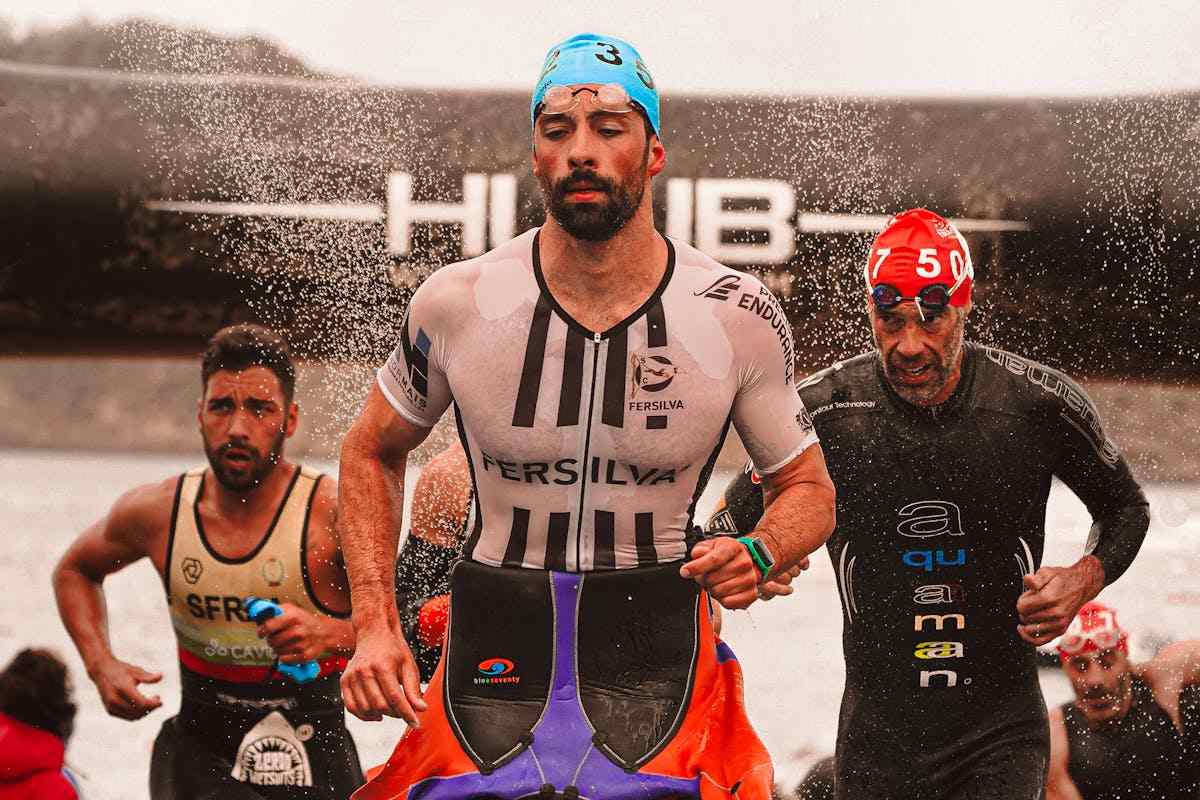
In the modern sports industry, an athlete’s image is often as commercially valuable as their performance on the field. Sponsorship deals, licensing agreements, social media partnerships and brand endorsements can collectively generate income that rivals or exceeds playing salaries.
Despite this, the UK has no dedicated image rights legislation. Protection is instead constructed from a combination of existing legal tools. As such, structuring it correctly (both commercially and for tax purposes) requires careful legal planning. This guide explains how image rights are structured, how they’re protected, and what’s changing in 2026 and beyond.
What Are Image Rights?
Image rights refer to the legal rights that an individual has in their own name, likeness, photograph, signature, voice, nickname and persona for commercial purposes. For a professional athlete, this encompasses everything that makes them recognisable and marketable. It extends from their face appearing on a shirt to their catchphrase being used in an advertising campaign.
Unlike some jurisdictions (notably the United States, where personality rights are codified in many states) the UK offers no single statutory right to control commercial use of one’s image. Protection is instead pieced together from several overlapping legal doctrines.
How Are Image Rights Protected in the UK?
Trade Mark Registration
Registering a trade mark is one of the most effective ways for an athlete to protect their brand. The name, signature, logo, slogan or stylised image can all potentially be registered as trade marks for specific goods and services. For example, clothing, sportswear, video games, food and beverage products.
Non-traditional trade marks are increasingly used in sport. It could be a distinctive colour scheme, sound or shape associated with an athlete or team, which can be registered in some circumstances. Once registered, a trade mark gives the owner the right to prevent unauthorised commercial use and to sue for infringement.
Passing Off
Where trade mark registration isn’t available or hasn’t been obtained, the tort of passing off provides some protection. A successful passing off claim requires the claimant to show that:
- They have goodwill in their name or image
- There has been a misrepresentation by the defendant suggesting an association or endorsement
- This has caused or is likely to cause damage
In the sports context, passing off claims typically arise where a company uses an athlete’s image or name in a way that implies sponsorship or endorsement without a licence. The claim can be difficult to establish. English courts have historically required a clear misrepresentation rather than mere unauthorised use of a name.
Data Protection and Privacy
The UK GDPR and the Data Protection Act 2018 provide some additional protection where an athlete’s personal data is processed without a lawful basis, including photographic images. In practice, this route is most relevant to unauthorised publication of private images rather than commercial misuse.
Contract Law
The most important day-to-day protection for most athletes comes from contracts. A well-drafted image rights licence agreement with a sponsor or brand partner sets out exactly what use is permitted, for what territory and period, for what fee, and what happens if the terms are breached. Without a clear contractual framework, disputes about what was agreed are common and costly.
The Image Rights Company Structure
Most professional athletes structure their image rights through an Image Rights Company (IRC), particularly at the top levels of football, cricket, golf and tennis. The athlete assigns their image rights to the company, which then enters into licensing agreements with clubs, sponsors and commercial partners on the athlete’s behalf.
The commercial advantages of this structure include the ability to:
- Negotiate image rights payments separately from playing salary
- Pool income and manage it as a business
- Historically, to achieve a more favourable tax treatment
However, HMRC has become increasingly scrutinous of image rights arrangements, and the tax landscape is changing significantly.
Image Rights in Playing Contracts
When a professional athlete signs a playing contract with a club, the image rights provisions are often among the most heavily negotiated elements. Key issues include:
- What rights the club is granted (to use the player’s image in club commercial activity)
- Whether those rights are exclusive or non-exclusive
- What the club pays for those rights (if anything)
- Whether the player retains the right to enter into personal sponsorship deals independently of the club
For elite athletes, image rights payments from clubs can represent a substantial portion of total remuneration. That’s why it’s essential that the contractual terms are clearly defined and that both parties understand what rights have been granted and on what basis.
The Changing Tax Treatment
Image rights have historically offered tax-planning advantages, particularly for athletes who structured their affairs through offshore vehicles or who were UK residents on the remittance basis. The UK government has been tightening this area for some years.
The abolition of the remittance basis means that UK tax residents are now taxed on their worldwide income and gains, removing the advantage of keeping image rights income offshore. Looking further ahead, from 6 April 2027 the government has signalled that image rights payments that are linked to employment will be subject to PAYE and National Insurance Contributions.
Athletes, clubs and their advisers will need to review existing image rights arrangements carefully in light of these changes. Proper legal and tax planning is now more important than ever in this area.
Disputes Involving Image Rights
Image rights disputes most commonly arise in two contexts.
First is unauthorised commercial use, where a company uses an athlete’s name, image or likeness without permission. They either believing they have a right to do so or knowingly take the risk.
Second are contractual disputes, where there’s disagreement about the scope of an image rights licence. It could be that a payment is due or a breach of the licence agreement has occurred.
Disputes are usually resolved through the English courts, either as trade mark infringement or passing off claims (for unauthorised use) or breach of contract claims (for licensing disputes). Interim injunctions are often sought to prevent ongoing or imminent unauthorised use.
Speak to a Commercial Solicitor Today
Osbourne Pinner’s commercial and intellectual property team advises athletes, clubs, agents and commercial partners on all aspects of image rights, from structuring image rights companies and drafting licence agreements through to trade mark registration and commercial disputes. Whether you are an athlete at the start of your career or an established sports organisation managing a portfolio of talent rights, we can help you protect and maximise the value of your image.
Please note that this article is for informational purposes only and does not constitute legal advice. We always recommend speaking to a qualified solicitor for advice tailored to your specific circumstances.
If you need advice on image rights structuring, licensing or a dispute, our sports law solicitors are here to help.
We offer a free 30-minute consultation to discuss your situation. You can speak with us via video call or visit our offices in Harrow, Canary Wharf, Piccadilly Circus or Manchester. To arrange your consultation, call 0203 983 5080, email [email protected] or complete the form below.