Party wall disputes are a common source of conflict during building works, particularly where neighbouring properties share a wall, boundary or structure. These disputes can arise in both residential and commercial settings and often lead to confusion about who is responsible for the associated costs.
Understanding who pays for a party wall dispute depends on several factors, including the nature of the works, who benefits from them and whether the correct legal process has been followed.
In this article, we outline what a party wall dispute is, how the law regulates these situations and who is usually responsible for paying the costs. We also explain how to arrange a free 30-minute consultation with a commercial property dispute solicitor if a dispute arises.
What is a party wall dispute?
A party wall dispute arises where building works affect a shared wall, structure or boundary between two properties and the adjoining owner objects or raises concerns.
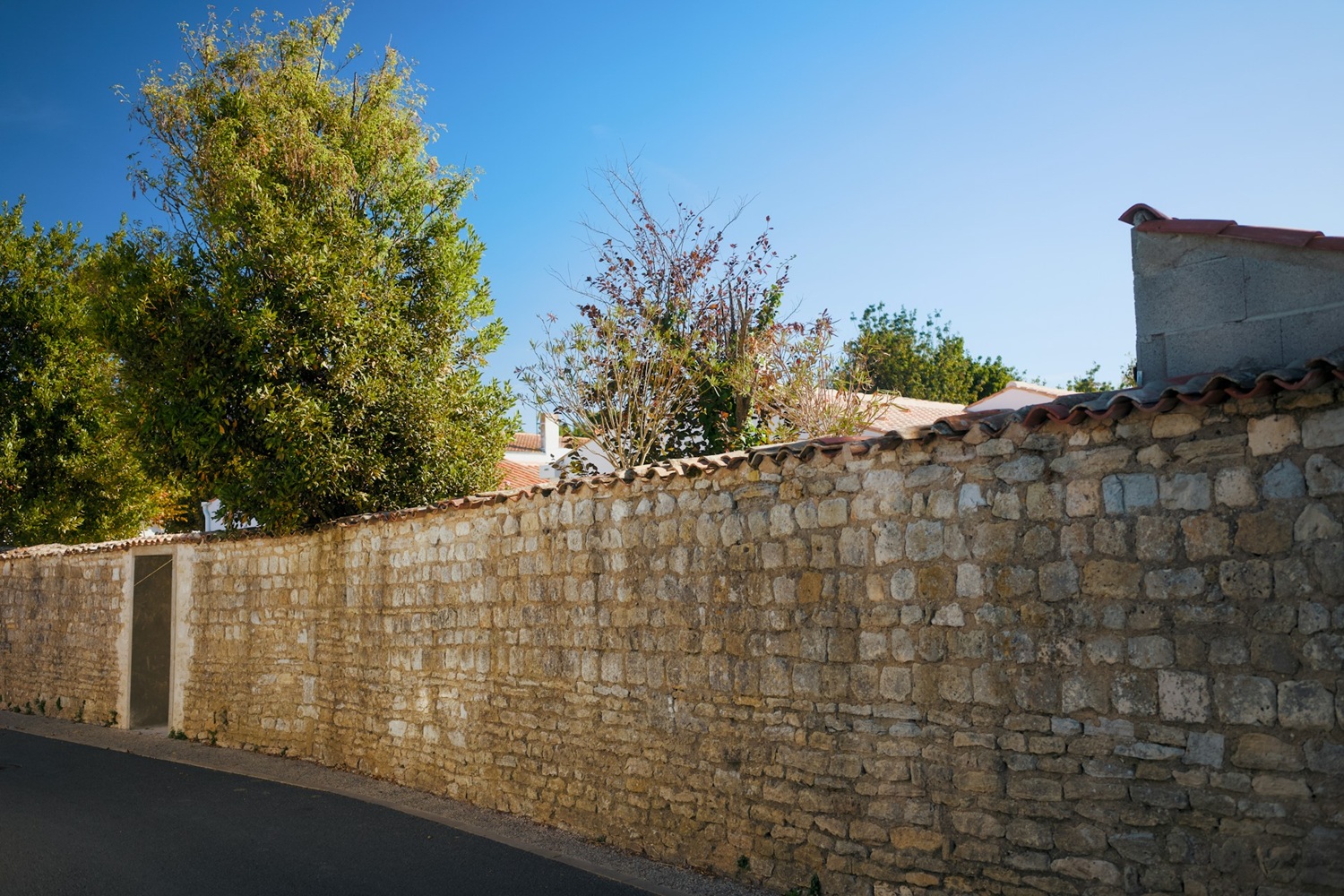
A party wall can include a wall that stands on the land of two owners, a wall that separates two buildings or certain boundary walls. Disputes commonly arise during extensions, basement works, structural alterations or repairs.
In commercial properties, party wall disputes can be particularly disruptive, as delays to building works may affect business operations, tenants or contractual obligations.
The Party Wall etc. Act 1996
Party wall disputes in England and Wales are governed by the Party Wall etc. Act 1996. This legislation sets out the rights and responsibilities of property owners when carrying out works that affect a party wall or neighbouring structure.
The Act requires the building owner, the person carrying out the works, to serve notice on the adjoining owner before starting certain types of work. This gives the adjoining owner the opportunity to consent or object.
Failure to follow the Act can result in disputes escalating and may lead to injunctions, delays and additional costs.
Who usually pays for party wall dispute costs?
In most cases, the building owner is responsible for paying the costs associated with a party wall dispute. This includes the cost of preparing notices, appointing surveyors and carrying out the works safely and properly.
If the adjoining owner appoints their own surveyor, the building owner will usually be expected to cover those fees as well. The principle behind this is that the dispute arises because the building owner wishes to carry out works for their benefit.
The building owner is also typically responsible for the cost of repairing any damage caused by the works to the adjoining property.
When party wall costs may be shared
There are situations where party wall costs may be shared between the building owner and the adjoining owner. This usually occurs where the works are carried out for the benefit of both properties.
For example, if a party wall needs to be repaired or rebuilt due to disrepair and both owners benefit from the work, the costs may be apportioned between them. Similarly, where works are agreed and jointly beneficial, surveyors may determine a fair division of costs.
The precise allocation of costs will depend on the circumstances and is often set out in a party wall award. Surveyors will consider factors such as who benefits from the works and the extent of that benefit.
What happens if a party wall dispute escalates?
If the adjoining owner dissents to the proposed works, a formal dispute arises under the Act. Each party may appoint a surveyor or they may agree on a single surveyor to act for both.
The appointed surveyor or surveyors will produce a party wall award. This document sets out how and when the works can be carried out, the safeguards required and who is responsible for costs.
If the process isn’t followed correctly, disputes can escalate further and may involve court proceedings. This can significantly increase legal costs and delay projects.
Common mistakes property owners make
Party wall disputes can be costly and disruptive, particularly for commercial properties where delays may affect business operations or tenants.
One of the most common mistakes is failing to serve the correct party wall notice or starting work too early. This can invalidate protections under the Act and expose the building owner to injunctions and claims.
Another frequent issue is assuming that surveyor costs will always be shared. In many cases, the building owner bears the majority of the expense.
Ignoring objections or failing to communicate clearly with adjoining owners can also cause disputes to escalate unnecessarily.
Speak to a commercial property dispute solicitor about party wall disputes
If you’re involved in a party wall dispute or planning works that may affect a neighbouring property, professional advice can help you understand who is responsible for costs and how to proceed lawfully.
A commercial property dispute solicitor can advise on your obligations under the Party Wall etc. Act 1996, help resolve disputes efficiently and protect your position if matters escalate.
Please note that this article is solely for informational purposes. It’s not a substitute for legal advice. We encourage readers to contact Osbourne Pinner for case specific guidance.
We offer a free 30-minute consultation to discuss your situation. You can speak with us via video call or visit our offices in Harrow, Canary Wharf, Piccadilly Circus or Manchester. To arrange your consultation, call 0203 983 5080, email [email protected] or complete the form below.